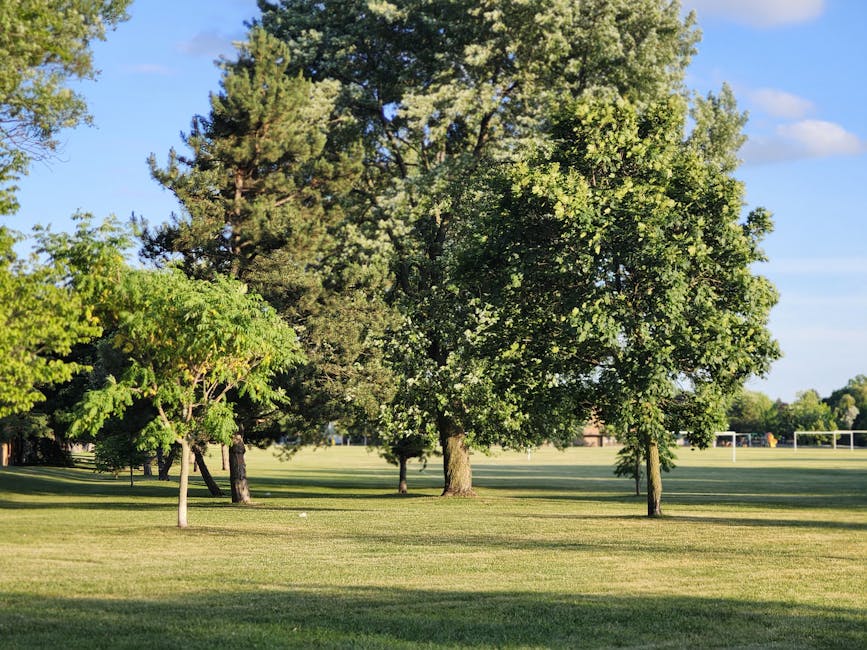
Clitterhouse Playing Fields garden maintenance Brent Cross: a practical guide to keeping shared green spaces in shape
If you are looking into Clitterhouse Playing Fields garden maintenance Brent Cross, you are probably not just after a quick tidy-up. You want the place to feel cared for, usable, and safe through the seasons. That means grass that stays manageable, hedges that do not creep over paths, borders that look intentional rather than forgotten, and a general sense that somebody is on top of things.
Shared green spaces can slip fast. One wet week, a burst of growth, a bit of litter, and suddenly the whole place looks more tired than it should. The good news? With the right maintenance rhythm, these spaces can stay welcoming without becoming overworked or over-managed. In this guide, we will walk through what proper maintenance involves, how it is usually carried out, who needs it, and what to watch out for if you are responsible for an open green area in Brent Cross.
Along the way, you will also find practical checklists, a simple comparison table, and a few grounded tips from real-world garden care thinking. Nothing fancy. Just the stuff that helps.
Table of Contents
- Why Clitterhouse Playing Fields garden maintenance Brent Cross Matters
- How Clitterhouse Playing Fields garden maintenance Brent Cross Works
- Key Benefits and Practical Advantages
- Who This Is For and When It Makes Sense
- Step-by-Step Guidance
- Expert Tips for Better Results
- Common Mistakes to Avoid
- Tools, Resources and Recommendations
- Law, Compliance, Standards, or Best Practice
- Options, Methods, or Comparison Table
- Case Study or Real-World Example
- Practical Checklist
- Conclusion
- Frequently Asked Questions
Why Clitterhouse Playing Fields garden maintenance Brent Cross Matters
Public and semi-public green spaces carry a different kind of pressure than a private garden. People walk through them every day. Dogs cut across the grass. Weather exposes every weak point. And because the area is visible, any lapse in upkeep tends to show quickly. That is why Clitterhouse Playing Fields garden maintenance in Brent Cross matters more than a simple cosmetic tidy.
Good maintenance affects how the space feels and how it functions. A mown lawn is one thing; a lawn that is mown at the right interval, with edges trimmed properly and clippings handled well, feels more cared for. The same goes for hedge lines, paths, trees, and planted areas. If one part is neglected, the whole place can start to look slightly off. Not disastrous, just untidy in a way that people notice.
There is also the practical side. Regular maintenance can help reduce trip hazards, stop invasive growth from blocking sightlines, and keep drainage areas clearer. In a busy local setting, that matters. You want people to enjoy the green space without worrying about overgrown brambles, wet leaves, or branches hanging too low. Let's face it, nobody enjoys tiptoeing around a patch that feels unmanaged.
For anyone coordinating work in the area, a consistent plan is usually better than sporadic big clear-outs. Small and regular often beats large and rare. It is less disruptive, and often cheaper in the long run too.
How Clitterhouse Playing Fields garden maintenance Brent Cross Works
Effective maintenance starts with a simple assessment. What needs attention now, what needs recurring care, and what needs seasonal work? A responsible gardener or grounds maintenance team will look at the space as a whole rather than treating every patch the same. A mown lawn, for example, has different needs from a shrub border or a tree-lined edge.
A typical maintenance routine may include:
- grass cutting and edging
- hedge trimming and shaping
- weed control in paths and borders
- leaf clearance during autumn and windy spells
- litter and light debris removal
- pruning of soft growth and dead material
- checking for broken branches or overhanging growth
- tidying planted areas so they do not become swamped
In some cases, a one-off visit is enough to bring the area back under control. More often, though, the better approach is a maintenance schedule. That might mean weekly grass care in growth season, with hedge and border work every few weeks and deeper seasonal attention in spring and autumn. No two sites are the same, and that is where experience matters.
If the area has mixed features, such as hard landscaping, raised beds, paths, or timber structures, maintenance becomes more than just cutting grass. You may need a service plan that connects with the wider range of garden services, especially where the site needs clearance, shaping, or structural improvement alongside routine care.
There is a common misconception that maintenance is just about appearance. It is not. Good maintenance preserves the condition of the whole site. A tidy space is usually a safer space, a more pleasant space, and a space that is cheaper to recover later. That last bit is easy to forget until you are looking at a much larger job than expected.
Key Benefits and Practical Advantages
There are plenty of reasons to keep a shared green space in good order, but some matter more than others in day-to-day life. Here are the main benefits that tend to show up first.
- Better visual presentation: Neatly maintained grounds feel more welcoming and cared for.
- Lower safety risk: Reduced overgrowth, clearer paths, and fewer hidden obstacles help people move through the area more confidently.
- Healthier planting: Regular pruning, mowing, and clearance stop weaker plants from being crowded out.
- Less reactive work: Small, regular jobs are easier to manage than large seasonal recoveries.
- Improved usability: People are more likely to enjoy a space that feels open, accessible, and not half-claimed by weeds.
- Better long-term value: Well-kept grounds usually need fewer expensive interventions later.
There is also the quiet benefit nobody talks about much: trust. When a space looks consistently maintained, people notice. They may not say so, but they do notice. It creates the feeling that someone is looking after the area properly, which is good for residents, visitors, and anyone responsible for the site.
Expert summary: The best maintenance plans are not the flashiest ones. They are the steady ones. Regular mowing, sensible pruning, leaf management, and a realistic schedule tend to give the cleanest, most reliable results.
Who This Is For and When It Makes Sense
Clitterhouse Playing Fields garden maintenance Brent Cross is most relevant for anyone who needs a shared outdoor area to stay presentable and functional rather than merely "not terrible". That includes a few common situations.
- Property managers responsible for nearby green spaces or communal grounds
- Local organisations looking after public-facing outdoor areas
- Facilities teams that need reliable maintenance support throughout the year
- Landowners or caretakers handling open space with multiple users
- Anyone restoring a neglected site before moving it onto a regular schedule
It also makes sense if the site has become uneven in upkeep. Maybe the grass has been cut, but the edges have not. Maybe hedges are fine in summer but messy by winter. Maybe leaf build-up keeps returning in the same corner every autumn. That sort of unevenness is common, and honestly, it is usually the sign that the maintenance plan is too loose.
If the space needs more than routine care, it can help to combine maintenance with garden clearance or even broader improvement work through landscaping support. That way, you are not trying to maintain something that should really be repaired first.
To be fair, not every site needs a full-service setup. Some just need a regular mow and tidy. But if you are spending too much time fixing the same issues over and over, that is usually a sign that a more structured approach would save stress.
Step-by-Step Guidance
If you are planning maintenance for a site like this, a step-by-step process makes the whole thing easier to manage. Here is a practical way to think about it.
- Assess the site properly. Walk the area and note grass length, hedge growth, debris, weeds, tree issues, and any problem spots such as muddy patches or blocked edges.
- Split work into urgent, routine, and seasonal tasks. Urgent issues might include overhanging branches or slippery leaf cover. Routine tasks include mowing and edging. Seasonal jobs include deeper pruning or leaf clearance.
- Set a realistic schedule. Fast-growing areas need more frequent attention in spring and summer. Slower, structural work can often be planned less often.
- Prioritise access and safety. Keep routes clear, reduce trip hazards, and make sure any work around trees, hedges, or uneven ground is handled carefully.
- Work in the right order. Clearance first, then cutting and pruning, then finer tidy-up. If you do it backwards, you often end up repeating yourself.
- Review the result. A good finish should look neat but not overworked. If the site feels stripped bare, you may have gone too far.
That last point matters more than people think. Good garden maintenance is not about making the space look artificially perfect. It is about creating a natural, cared-for finish that suits the setting. A bit of texture is fine. In fact, it often looks better than a space that has been clipped into something oddly severe.
Where hedges or larger shrubs are part of the site, a planned approach with hedge trimming can keep things looking crisp without encouraging the kind of regrowth that turns into an awkward battle later on.
Expert Tips for Better Results
Small choices make a big difference in maintenance quality. These are the sorts of things experienced gardeners tend to notice quickly.
- Do not wait until growth gets away from you. Overgrowth is harder to bring back into shape, and more disruptive to deal with.
- Trim with the site in mind. A playing field edge does not need the same finish as a private ornamental border.
- Watch the season, not just the calendar. Warm, wet weather can change the pace of growth almost overnight. One week it is fine, the next it looks like it has had a small rebellion.
- Keep edges clean. A well-defined edge makes even modest maintenance look more professional.
- Clear debris before mowing where possible. It protects equipment and gives a better finish.
- Balance tidiness with habitat value where appropriate. Not every corner needs to be heavily manicured. The trick is knowing what should look natural and what should look neglected.
One practical tip we always like to give: if a space gets regular foot traffic, check the same problem points every time. Gates, corners, path entrances, and the bases of hedges usually tell the truth first. They are the places that quietly collect mess when nobody is looking. Sneaky little areas, really.
If maintenance is part of a wider improvement plan, linking it with lawn mowing and ongoing garden maintenance usually creates a more consistent result than booking isolated one-off tasks.
Common Mistakes to Avoid
Most garden maintenance problems are not caused by one dramatic failure. They usually come from a handful of small, repeated mistakes.
- Only reacting when the site looks bad. By then, the job is larger and more expensive.
- Cutting too hard in the wrong season. Heavy pruning at the wrong time can stress plants or make them look bare for too long.
- Ignoring the edges. A decent lawn with rough borders still reads as untidy.
- Leaving leaf fall too long. Wet leaves can mat down, hide hazards, and make areas look neglected very quickly.
- Using the same approach all year. Seasonal change matters. Spring growth and autumn leaf fall are not the same job.
- Skipping inspection work. You should not just "do the cut and go". Look for broken branches, dead growth, or damage while you are there.
Another mistake is underestimating how long a tidy finish takes. On paper, mowing looks straightforward. In reality, it is the border work, the clearing, the checks, and the final detail that make the difference. That extra half-hour is often what turns acceptable work into proper maintenance.
Tools, Resources and Recommendations
Good maintenance is easier when the right tools are available. You do not need everything under the sun, but you do need reliable basics and a sensible plan for how they are used.
| Area of work | Useful tools | Why they matter |
|---|---|---|
| Grass care | Commercial mower, strimmer, edging tool | Creates a clean cut and tidy boundaries |
| Hedge and shrub work | Hedge trimmer, secateurs, pruning saw | Keeps growth controlled and shapes planting properly |
| Clearance | Rakes, leaf collectors, debris bags | Removes litter, cuttings, and seasonal build-up efficiently |
| Inspection | Gloves, eye protection, checklist | Helps identify hazards and reduces risk during site work |
| Heavy or awkward work | Specialist equipment or trained assistance | Safer for branches, large clumps, or more demanding tasks |
For larger or more complex spaces, it is often useful to bring maintenance into a broader planning cycle with services such as tree lopping and removal when trees are involved, or a wider service overview if the site needs joined-up care rather than piecemeal attention.
And if budgeting is part of the decision, it can help to compare the practical scope of work before choosing a provider. Not just the price. The scope. Those are not the same thing, and mixing them up is where people get caught out.
Law, Compliance, Standards, or Best Practice
For spaces like this, good practice should be guided by safety, responsibility, and clear communication. Without making any bold legal claims, there are a few normal expectations that sensible site maintenance usually follows in the UK.
First, work should be carried out with due care for visitors, workers, and nearby users. That means checking for hazards before starting, using equipment properly, and avoiding unnecessary disruption. If trees, branches, or uneven ground are involved, extra caution is sensible. Common sense goes a long way here, even if it sounds a bit plain.
Second, if waste is being removed, it should be handled responsibly. Green waste, timber, and general garden debris should not simply be dumped or left in piles. Responsible disposal and recycling are part of professional work, and many clients now expect that as standard. It is not flashy, but it matters.
Third, anyone arranging maintenance should expect clear terms, transparent pricing, and proper service processes. That includes knowing what is included, what is not, and how changes are handled. If you want to understand how a provider frames this, pages like pricing and quotes, terms and conditions, and insurance and safety are useful to review before any work begins.
It is also reasonable to expect accessible communication and a fair complaints route if something does go wrong. That is simply good practice. A decent service should not disappear the minute a problem needs sorting.
Options, Methods, or Comparison Table
When people think about garden maintenance, they often picture one standard service. In reality, there are a few ways to approach it, and the right choice depends on how the site is used.
| Approach | Best for | Strengths | Limitations |
|---|---|---|---|
| One-off tidy-up | Overgrown or neglected areas | Fast way to regain control | Does not prevent future build-up |
| Routine maintenance | Sites that need consistent presentation | Keeps the space stable and easier to manage | Needs planning and regular visits |
| Seasonal maintenance | Areas with changing spring/autumn needs | Targets growth peaks and leaf fall | Can miss issues between visits if not watched closely |
| Maintenance plus improvement work | Sites with structural or visual problems | Solves underlying issues as well as appearance | Requires a bigger initial investment |
For a site around Clitterhouse Playing Fields, a blended approach is often the most sensible. Regular mowing and tidying keep the basics under control, while occasional clearance or improvement work deals with anything that has drifted beyond ordinary maintenance. That balance is what keeps the whole area feeling steady instead of patchy.
Case Study or Real-World Example
Imagine a green space that has been looked after sporadically for months. Grass is fine in the centre, but the edges are shaggy. Leaves gather near a boundary fence. A few hedges have pushed too far into the walkway. Nothing is broken, nothing is dramatic, but the space feels a bit tired. You can almost smell the damp leaves when the wind shifts.
The first visit would usually focus on bringing the site back into shape. That means clearing debris, cutting back the obvious overgrowth, sharpening edges, and checking for anything unsafe or obstructive. The second stage is less visible but more important: setting a repeat schedule so the same issues do not creep back immediately. Without that, the site starts right back where it was.
What changes after a proper reset? People tend to use the space more confidently. The place feels open again. Maintenance work becomes lighter because the team is no longer fighting an ever-growing backlog. And that is often the real goal, not perfection. Just a space that stays under control without needing rescue every few weeks.
In practical terms, this is where services like garden clearance and ongoing lawn mowing can work together. One deals with the mess; the other prevents it from returning quite so quickly. Simple, but effective.
Practical Checklist
Use this checklist if you are assessing a maintenance plan for a shared outdoor space in Brent Cross.
- Grass is cut at a sensible frequency for the season
- Edges are trimmed and clearly defined
- Hedges and shrubs are shaped without being overcut
- Paths, entrances, and borders are free from debris
- Leaf fall is cleared before it becomes slippery or compacted
- Overhanging branches or awkward growth are reviewed
- Waste is removed responsibly after each visit
- The site is checked for hazards, not just appearance
- Maintenance timing matches the pace of growth
- There is a plan for both routine work and seasonal tasks
If even a few of those items are regularly slipping, the maintenance plan probably needs tightening. Not a full overhaul in every case, just a more disciplined routine.
Conclusion
Clitterhouse Playing Fields garden maintenance Brent Cross is really about reliability. A space like this only stays useful if the basics are done well and done often enough. Grass, hedges, edges, debris, and seasonal growth all need a measured approach. Ignore them too long and the job gets bigger. Keep on top of them and the whole area feels calmer, safer, and far more inviting.
The most effective maintenance plans are usually the ones that combine regular care with occasional deeper work. That way, the space does not just look better for a day. It stays better. And that, in the end, is what people want from any shared green area.
If you are planning maintenance for a site in Brent Cross and want a clearer idea of what is involved, it helps to review the available service options and think through the right mix for the space rather than rushing into a one-size-fits-all approach.
Get a free quote today and see how much you can save.
Frequently Asked Questions
What does Clitterhouse Playing Fields garden maintenance Brent Cross usually include?
It typically includes grass cutting, edging, hedge trimming, debris clearance, weed control, seasonal tidy-ups, and basic inspection for hazards or overgrowth. The exact scope depends on the site's condition and how it is used.
How often should a shared green space be maintained?
That depends on growth rate, foot traffic, and the season. In spring and summer, more frequent visits are often needed. In slower months, a lighter schedule may be enough. The key is consistency rather than waiting until things look bad.
Is one-off clearance enough for this kind of site?
Sometimes it is enough to get the area back under control, especially if the site has been neglected. But if you want the space to stay tidy, a repeat maintenance plan is usually the better choice.
What is the difference between garden clearance and garden maintenance?
Garden clearance is about removing heavy build-up, overgrowth, and waste. Garden maintenance is the ongoing care that keeps the space in good shape afterwards. In many cases, the two work best together.
Can maintenance be done without making the space look too artificial?
Yes. Good maintenance should look neat and natural, not stripped or overworked. The aim is a cared-for finish that fits the setting, not a highly manicured show garden in the middle of a playing field.
What are the most common problems with unmanaged green spaces?
Overgrowth, slippery leaf build-up, unclear edges, blocked access points, litter, and hidden trip hazards are all common. These issues often start small and build quietly over time.
Do trees need separate attention from general garden maintenance?
Often, yes. Larger branches, overhanging growth, or damaged limbs may need more specialised attention than routine mowing or pruning. Where needed, tree-related work should be assessed separately.
How do I know if a maintenance provider is suitable?
Look for clear communication, a sensible scope of work, proper safety awareness, transparent pricing, and a realistic maintenance schedule. It also helps if they can explain what they will do and why, without overcomplicating things.
What should be checked during a site visit before work begins?
Check grass height, hedge growth, leaf build-up, weeds, access routes, signs of damage, and any areas that could create a safety issue. A proper walk-through before work starts saves time later.
Is there a best time of year for heavier maintenance work?
Heavier work is often easier to plan outside the busiest growth periods, but timing depends on the specific task. Spring and autumn are often busy for different reasons, so scheduling should reflect the conditions rather than following a rigid rule.
Can maintenance help reduce costs over time?
Usually, yes. Regular care tends to prevent bigger jobs later, which can make the overall upkeep more manageable. It is a bit like servicing a bike before the chain gives up halfway up a hill. Not glamorous, but sensible.
How should garden waste be handled after maintenance?
Garden waste should be collected and removed responsibly, with recycling or disposal handled in a proper way. Leaving cuttings, leaves, or timber piled on-site usually creates more problems than it solves.