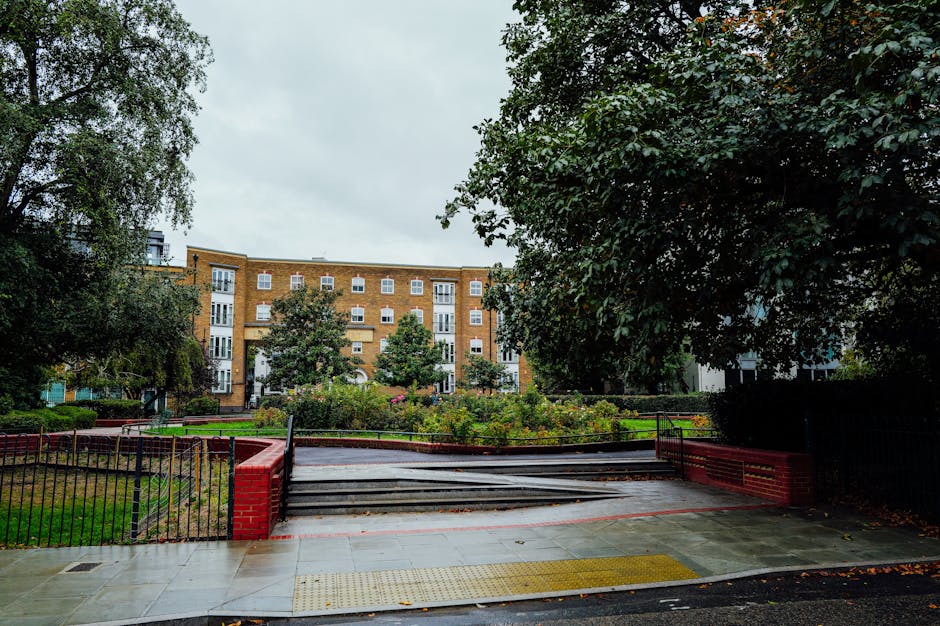
Gardeners who tackle awkward access Brent Cross gardens: practical solutions for tight gates, narrow paths and hard-to-reach spaces
Some gardens look simple from the outside, then the gate is too narrow, the side passage is awkward, and the only way in feels like a sideways shuffle with a bag of compost. If that sounds familiar, you are exactly the kind of homeowner this guide is for. Gardeners who tackle awkward access Brent Cross gardens need a different level of planning, kit, and common sense than a standard front-drive job, and that can make all the difference between a smooth visit and a stressful one.
In Brent Cross, as in much of North West London, access issues are often part of the landscape: basement gardens, shared side returns, stepped entrances, terrace houses, tight communal walkways, and fences that were never designed with wheelbarrows in mind. The good news? Difficult access does not mean difficult results. With the right preparation, the right tools, and the right working method, even a cramped garden can be maintained safely and neatly. This article explains what that looks like in practice, what to ask for, and how to avoid the usual headaches.
Why Gardeners who tackle awkward access Brent Cross gardens Matters
Awkward access changes everything about garden work. It affects how tools are moved, how waste is removed, how much time a job takes, and how safely the work can be done. In a garden with a wide driveway, most tasks are straightforward. In a Brent Cross property with a narrow passage, steep steps, or a gate that barely opens fully, every part of the job needs more thought. That is where experienced gardeners earn their keep.
The issue is not only convenience. Poor access can increase the risk of damage to paving, fences, walls, sheds, and planted borders. It can also make a tidy job look rushed if the team has to keep carrying equipment in awkward bursts. A gardener who understands access limitations will plan the route, choose lighter or more modular tools, and decide whether some work is better broken into stages. That sounds basic, but in practice it prevents a lot of mess.
There is also a human side to this. If you have ever tried to drag a green waste sack through a tight side return on a wet morning, you know it is one of those jobs that looks simple until you are doing it. A careful approach saves energy, saves time, and usually saves the customer money in the long run. Not by magic. Just by avoiding preventable inefficiency.
For many local properties, access problems show up alongside other needs too: regular upkeep, hedge cutting, lawn care, clearance after a big growth spurt, or landscape changes that need materials brought in manually. That is why services like garden maintenance, garden clearance, and hedge trimming often need to be adapted rather than delivered in a one-size-fits-all way.
How Gardeners who tackle awkward access Brent Cross gardens Works
The process usually starts with a proper look at the access route, not just the garden itself. That may be a quick site visit, photos sent in advance, or a phone conversation that covers the width of the gate, any steps, whether there is a side entrance, and where waste can be loaded. This is the sensible bit. It saves surprises later.
From there, the gardener decides how to divide the work. Sometimes the answer is simple: use smaller equipment, carry hand tools in stages, and keep a light footprint. Other times, the job needs a more deliberate plan, especially if materials such as soil, timber, gravel, or decking components have to be moved through a restricted route. If you are looking at a bigger transformation, the planning may overlap with landscaping or landscape gardening, where access is part of the design conversation from day one.
Good practice usually includes:
- checking the access width and turning space before arrival
- deciding which tools can be hand-carried safely
- protecting walls, floors, edging, and door thresholds
- planning waste removal in manageable loads
- keeping pathways clear while the work is underway
- adjusting the sequence of tasks so the most awkward parts happen at the easiest time
That last point matters more than people think. If the team trims a large hedge before clearing the route, they may create extra debris exactly where they need to walk. Better to think in layers: access first, work second, tidy-up third. Simple, but effective.
In some gardens, the practical plan may also involve structural features such as steps, narrow deck edges, or uneven surfaces. If that sounds familiar, a solution may need to include improvements to movement routes as part of the wider job. Services such as decking services can sometimes help create a more usable outdoor layout, while also making future maintenance easier. That is the sort of detail that pays off later.
Key Benefits and Practical Advantages
The biggest benefit is obvious: you can get the garden properly maintained without forcing a team to improvise around poor access. But there is more to it than that.
- Less risk of damage: careful handling reduces knocks to paintwork, brick edges, paving, and delicate planting.
- Cleaner finish: a team that plans for access can work more methodically and leave the garden tidier.
- Better safety: fewer heavy lifts and fewer awkward carries mean fewer slips, trips, and strains.
- Faster problem solving: experienced gardeners spot route issues early and adapt before delays stack up.
- More realistic pricing: when access is discussed properly, the quote is less likely to change halfway through.
There is a quieter advantage too: peace of mind. Many homeowners worry that a difficult garden means they are asking for too much, or that it will be too awkward for anyone to touch. That is rarely true. Most access challenges can be managed if they are understood in advance. The job may just need the right team and a realistic plan.
If your garden also needs regular mowing, hedge upkeep, or seasonal tidy-ups, access-aware scheduling can make repeat visits much easier. A team that already knows the route will work more quickly on the next visit. You feel the difference pretty fast, especially when the weather turns and nobody wants to spend extra time wrestling a mower through a tight passage in the rain.
Who This Is For and When It Makes Sense
This kind of service makes sense for a wide range of Brent Cross households and property types. Think of terrace homes, maisonettes, basement flats with rear gardens, properties with shared entrances, and homes where the only garden entry is through the building. It can also suit landlords, managing agents, and busy owners who need a professional team to do the work without turning the place upside down.
You may need access-aware gardening if:
- your gate is too narrow for standard equipment
- there are several steps between the street and the garden
- the only route is through the house or a communal hall
- your garden has steep slopes, tight corners, or a split-level layout
- waste cannot be loaded directly from the garden edge
- you need heavier work such as clearance, pruning, or layout changes
It also makes sense when the garden has been neglected for a while. Overgrown borders, tangled ivy, and fallen material all make access feel tighter than it really is. In that case, services like garden clearance can open up the space first, then lighter maintenance can follow more easily. Truth be told, that first tidy-up often changes the whole feel of the place.
For people who like to stay on top of things but simply do not have time, a more regular approach works better. A planned visit for lawn mowing or a maintenance round can stop the garden from getting back into that awkward, overgrown stage where every task becomes harder than it should be.
Step-by-Step Guidance
If you are arranging help for a garden with tricky access, a calm step-by-step approach is the best way forward. No drama. Just a bit of organisation.
- Measure the access route. Check gate widths, step heights, turns, overhead obstructions, and whether a wheelbarrow or mower can pass safely.
- Photograph the problem spots. A few clear photos can help the gardener judge what equipment and manpower will be needed.
- List the jobs in order. For example: cut back overgrowth, clear debris, mow the lawn, then shape hedges and finish with a tidy-up.
- Identify fragile areas. Point out stained paving, loose slabs, fragile edging, or anything that needs protection.
- Confirm waste handling. Ask how cuttings, branches, and general green waste will be moved out, especially if access is narrow.
- Agree the visit plan. A good team will tell you if the work is best done in one go or split across two visits.
- Walk the job together at the start. That ten-minute check-in can prevent a lot of confusion. Honestly, it is worth it.
If the job is more than routine upkeep, the plan may need to include bigger decisions about layout, materials, or reworking a cramped area. In those cases, a broader service conversation is useful, and it may be the right moment to look at the wider services overview so the whole job is aligned from the outset.
And one small thing: make sure bins, bikes, plant pots, and garden furniture are moved away from the access route before the team arrives. It sounds obvious, but you would be surprised how often a wheelie bin becomes the main obstacle of the day. The bin always wins, somehow.
Expert Tips for Better Results
When access is limited, the quality of the result often depends on small choices. That is where experienced gardeners tend to stand out.
Choose lighter, modular tools where possible. Smaller mowers, foldable handles, hand tools, and sectional equipment are easier to move through tight gaps. You lose a little brute force, but gain control.
Work from the easiest exit point back toward the hardest. That way, waste and debris do not have to cross freshly cleaned areas more than once. It is such a small thing, yet it makes the finish much better.
Protect the route before you start. Temporary boards, blankets, or corner protection may be used to reduce scuffs on tight turns and threshold edges. Not every garden needs this, but when it does, it matters.
Keep the route dry if you can. Wet steps, muddy paving, and mossy slabs are a nuisance on any job, but especially where access is narrow. If it has been raining all morning, extra care is not optional.
Ask for a realistic timeline. A team that rushes a difficult-access job may miss details. Better to know up front if the work needs a little longer.
For gardens with recurring shrubs, edging issues, or boundary growth, routine trimming can make access easier over time. That is why hedge trimming and steady maintenance are often a better long-term investment than waiting until everything becomes a tangle.
If there are trees causing shade, debris build-up, or awkward blockage near the route, the garden may benefit from sensible crown reduction or removal advice. In those situations, tree lopping and removal may be relevant, though it should always be assessed carefully and carried out with proper judgement. Not every overhanging branch needs dramatic action, let's be fair.
Common Mistakes to Avoid
The most common mistake is assuming awkward access is only a minor inconvenience. It is not. It changes the whole shape of the job. If you ignore that, the project usually gets slower, messier, and more expensive than necessary.
- Booking before describing the access properly. If the gardener does not know about the tight gate or steep steps, the quote may be incomplete.
- Choosing oversized equipment. A big machine that cannot fit through the route is just a very expensive obstacle.
- Failing to protect the route. One careless turn can scuff a wall or chip a paving edge.
- Leaving waste planning to the end. If no one has thought about removal, the garden can end up full of cuttings at the worst possible moment.
- Trying to do everything in one pass. On a tricky site, it is often better to stage the work sensibly.
A subtler mistake is overlooking the effect of access on maintenance frequency. If a space is hard to reach, leaving it longer between visits can make every job tougher than the last. That applies especially to lawns, hedges, and clearance areas. A bit of regular attention prevents a lot of awkwardness later.
And yes, there is the old classic: underestimating the weather. A dry walkway on Monday can become a slippy nuisance by Wednesday. The garden does not care about your schedule. It just does what it does.
Tools, Resources and Recommendations
You do not need a shed full of specialist gadgets to manage a difficult-access garden well, but the right tools matter more than usual. For most jobs, the aim is to reduce bulk, reduce repeated lifting, and keep movement efficient.
Useful equipment often includes:
- compact lawn mowers or hand mowers for tight lawns
- long-handled secateurs and pruning tools for awkward border reaches
- lightweight rakes and brooms for narrow paths
- folding sacks or manageable green waste containers
- protective boards or route protection for delicate surfaces
- smaller hand-carry containers for soil, mulch, or cuttings
If the work is more involved, a gardener may need to combine access planning with broader outdoor improvements. That can include path reworking, surface upgrades, or more structural changes through landscaping. In some cases, a well-placed change can solve a recurring access issue for years rather than months.
There is also a value in asking about practical company standards before booking. For example, a team that explains how they handle waste, what insurance they carry, and how they approach safety is usually thinking in the right way. If you want to understand the broader service mindset, the pages on insurance and safety, health and safety policy, and recycling and sustainability can help show what a responsible operation should cover. That sort of reassurance matters when a job is physically awkward.
Law, Compliance, Standards, or Best Practice
For garden work with awkward access, the main concern is usually best practice rather than a single specialist law. That said, UK garden and grounds maintenance work should still follow sensible safety principles: avoid unnecessary manual strain, keep walkways clear, use equipment appropriately, and protect workers and property from avoidable harm.
If a gardener is working through shared entrances, communal areas, or internal routes, they should be mindful of neighbours, common access rules, and the need to keep routes safe and usable. In plain English: do not block people in, do not leave debris where someone could trip, and do not assume a shared stairwell is an extension of the garden.
Waste handling should also be done responsibly. Green waste, branches, and cuttings need to be managed in a way that is tidy, secure, and environmentally sensible. Many clients appreciate a clear recycling approach, particularly where repeated visits create regular waste streams. If that is important to you, it is worth checking how the team handles disposal before work starts.
Insurance is another simple but important point. A reputable gardener should be able to explain how they manage risk, especially when working on tight routes where accidental damage is more likely if care is not taken. You do not need legal jargon. You just need confidence that the work is being done properly.
Best practice on a difficult-access site is not about making the job look clever. It is about making it calm, safe, and repeatable.
Options, Methods, or Comparison Table
Not every access problem needs the same solution. Sometimes smaller tools are enough. Sometimes the garden needs a bigger rethink. Here is a simple comparison to show how the choices differ.
| Approach | Best for | Strengths | Limitations |
|---|---|---|---|
| Manual carry-in, hand tools | Very narrow access, small to medium tasks | Flexible, low impact, easy to fit through tight routes | Slower on larger jobs |
| Compact equipment | Lawns, pruning, routine maintenance | Efficient without needing a wide route | Still needs thoughtful handling and loading |
| Phased clearance | Overgrown or cluttered gardens | Opens up the space gradually and safely | May need more than one visit |
| Access improvement through landscaping | Repeated access problems | Long-term solution, easier future maintenance | More planning and possibly higher upfront cost |
Which one is right? It depends on the space, the work, and how often you need garden access in future. A one-off tidy may only need compact tools. A property that is going to be maintained regularly may benefit from a smarter long-term layout. That is often where practical design and maintenance start to overlap.
Case Study or Real-World Example
Imagine a Brent Cross terrace with a small rear garden accessed through a narrow side passage and a couple of uneven steps. The lawn is patchy, the hedge has grown out over the path, and there is a pile of cuttings from a previous attempt at DIY pruning. On paper, it sounds like a straightforward tidy-up. In reality, every part of the job is constrained by movement.
A sensible team would not arrive with oversized kit and hope for the best. They would likely start by clearing the route, removing loose pots and anything that could snag, then cut back the hedge enough to widen the working space. Next, they would tackle the lawn with compact equipment, collect waste in smaller loads, and finish by checking the steps, edges, and side return for debris. The result is not just a neater garden. It is a garden that can now be maintained more easily next time.
This is the part many people miss. Access work is not always about one heroic visit. Often, the real win is creating a garden that becomes manageable again. Once the route is less cramped, routine visits become calmer, quicker, and far less frustrating. You can almost hear the difference: less dragging, less bumping, less muttering under the breath.
For a more complete property refresh, the next step might include layout improvements or a new feature that supports movement. In the right case, that could sit alongside decking services or broader reworking of the outdoor area, especially if the existing setup is making everyday care harder than it should be.
Practical Checklist
Use this simple checklist before booking or starting work on a difficult-access garden.
- Measure gate widths and note any tight corners.
- Check for steps, slopes, or uneven paving.
- Photograph the route and the garden from a few angles.
- List any fragile surfaces, walls, or planting areas.
- Decide how waste will be carried out.
- Move bins, bikes, toys, and furniture out of the access path.
- Confirm whether the job needs compact tools or phased visits.
- Ask how the gardener will protect floors, walls, and thresholds.
- Clarify whether the work is routine maintenance, clearance, or a bigger landscaping job.
- Make sure everyone knows where to enter and where to place waste.
Practical summary: the best access-aware gardeners do not just work in difficult gardens; they organise the job so the difficulty never takes over. That is the real skill, and it is why a careful plan is worth more than a rushed promise.
Conclusion
Gardeners who tackle awkward access Brent Cross gardens bring more than tools to the job. They bring judgement, planning, patience, and a way of working that keeps the space safe while still getting real results. In a neighbourhood where garden access can be tight, stepped, shared, or simply inconvenient, that expertise is not a luxury. It is what makes the job possible in the first place.
Whether you need regular upkeep, a one-off clearance, hedge work, lawn care, or a more ambitious outdoor redesign, the key is to be honest about the access and realistic about the route. Once that is clear, the work becomes much easier to manage. And if the first visit opens the garden up a little more for the next one, even better. That is how awkward spaces start to feel manageable again.
Get a free quote today and see how much you can save.
If you want a clearer view of the wider service offering before deciding, take a look at the team's about us page or go straight to contact us when you are ready to talk through the access route. A short conversation now can save a lot of fuss later, and that is usually money well spent.
Frequently Asked Questions
What does awkward access mean in a garden?
It usually means the gardener cannot easily bring tools, machinery, or waste in and out of the space. That might be because of a narrow gate, steps, shared hallways, steep gradients, or a route that is simply too tight for standard equipment.
Can a gardener still work in a garden with no side access?
Yes, often they can. The job may need smaller tools, more careful planning, and more hand-carrying, but lack of side access does not automatically rule out maintenance or clearance work.
Is a narrow garden always more expensive to maintain?
Not always, but access can affect labour time and the way waste is removed. The main thing is to give accurate details up front so the quote reflects the real conditions rather than a guess.
What should I tell the gardener before they arrive?
Tell them the width of the gate, whether there are steps, where the garden is entered, what the ground is like, and whether there are obstacles such as bins or furniture. Photos help too, and they are often easier than trying to describe it all on a phone call.
Do awkward-access gardens need special equipment?
Sometimes, yes. Compact mowers, smaller pruning tools, lightweight carriers, and route protection can all help. But the real advantage is not the equipment alone; it is how the team plans the work around the access.
Can you do garden clearance through a house?
In some cases, yes, provided the route can be used safely and with care. A professional team should protect surfaces and keep the route clean while moving waste through. It needs a sensible approach, though, not a chaotic one.
How do gardeners protect my property on a tight route?
They may use boards, covers, careful lifting techniques, and a planned route to minimise contact with walls, floors, and thresholds. Good communication before the visit is a big help here.
What if my garden is overgrown and access is already very tight?
That is common. A clearance-first approach is often best because it opens up the working space and makes the rest of the job safer and easier. Once the route is improved, ongoing maintenance becomes much less of a battle.
Is landscaping possible when access is restricted?
Yes, but the design and materials may need to be chosen carefully. A garden that is awkward to reach can still be transformed, although the method may need to be phased or adjusted for manual handling.
How often should I book maintenance for a hard-to-access garden?
That depends on growth, layout, and how quickly the space closes in again. For many people, regular maintenance is easier and more cost-effective than waiting until the garden becomes difficult to enter and even harder to work in.
What is the best first step if I think my garden is too awkward?
Start with a proper assessment. Take photos, measure the route, and speak to a gardener who is used to tricky access. Most problems are workable once they are clearly understood, and that first conversation often removes a lot of worry straight away.
Where can I check service details before booking?
The most useful starting points are the services overview, pricing and quotes, and the pages on insurance and safety and health and safety policy. They help you understand how the work is approached and what standards you can reasonably expect.